
Health research, handled carefully

Explore the evidence.
Keep the limits visible.

Browse what researchers have studied around Nigerian ingredients—without turning early findings, extracts or traditional use into treatment claims.

Important medical information

This is not medical advice.

NigerianSpices.com is an independent food and culture publication. It is not a healthcare provider, medical service, medicines regulator or substitute for professional care. Nothing here diagnoses, treats, cures or prevents disease.

Do not stop, start or change prescribed treatment because of this website. Ask a doctor, pharmacist or qualified healthcare professional before using herbs or supplements—especially if you have diabetes, take medicines, are pregnant or breastfeeding, or have liver or kidney problems.

Research topics

Start with a question, not a promise.

Clear topic →
5 ingredients

Blood sugar & metabolic research

Studies connected with glucose, insulin or broader metabolic markers. This is not evidence that an ingredient treats diabetes.

Explore research →
5 ingredients

Evidence gaps & traditional use

Traditional use is important cultural evidence, but it is not the same as proof of safety or clinical effectiveness.

Explore research →
2 ingredients

Fermentation research

Research into fermentation, composition and food processes—not a therapeutic recommendation.

Explore research →
1 ingredient

Food safety & allergens

Practical safety information about ingredients, allergens, handling and formulation.

Explore research →
2 ingredients

Heart & circulation research

Research involving blood pressure, lipids or cardiovascular markers, with study design and limitations kept visible.

Explore research →
5 ingredients

Inflammation & oxidative-stress research

Mostly laboratory or animal research into inflammatory or oxidative-stress markers; human outcomes may be unknown.

Explore research →
3 ingredients

Nutrition & food composition

Evidence about nutrients and food composition. Nutrient content does not by itself prove disease prevention.

Explore research →
1 ingredient

Oral-health research

Research involving oral-health outcomes, often using specific formulations rather than the ingredient as food.

Explore research →
1 ingredient

Weight & energy-metabolism research

Research into energy expenditure or body-composition measures, often using concentrated extracts.

Explore research →

Ingredient field notes

Fermentation research

2 entries

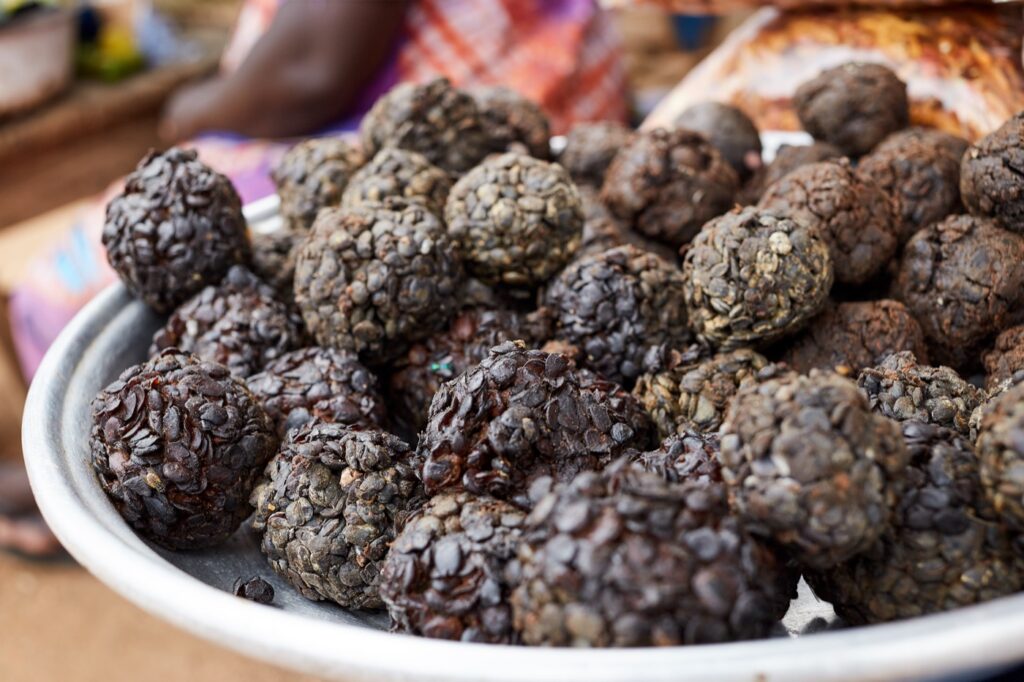
Fermented locust bean seasoning similar to iru

Fermentation research

Iru

Preclinical or nutritional evidence only

Analyses of fermented Parkia biglobosa seeds report protein, fat and amino acids, while fermentation can reduce some antinutritional factors. Composition varies by seed, process and producer, and nutrient analysis is…

Read evidence and sources →
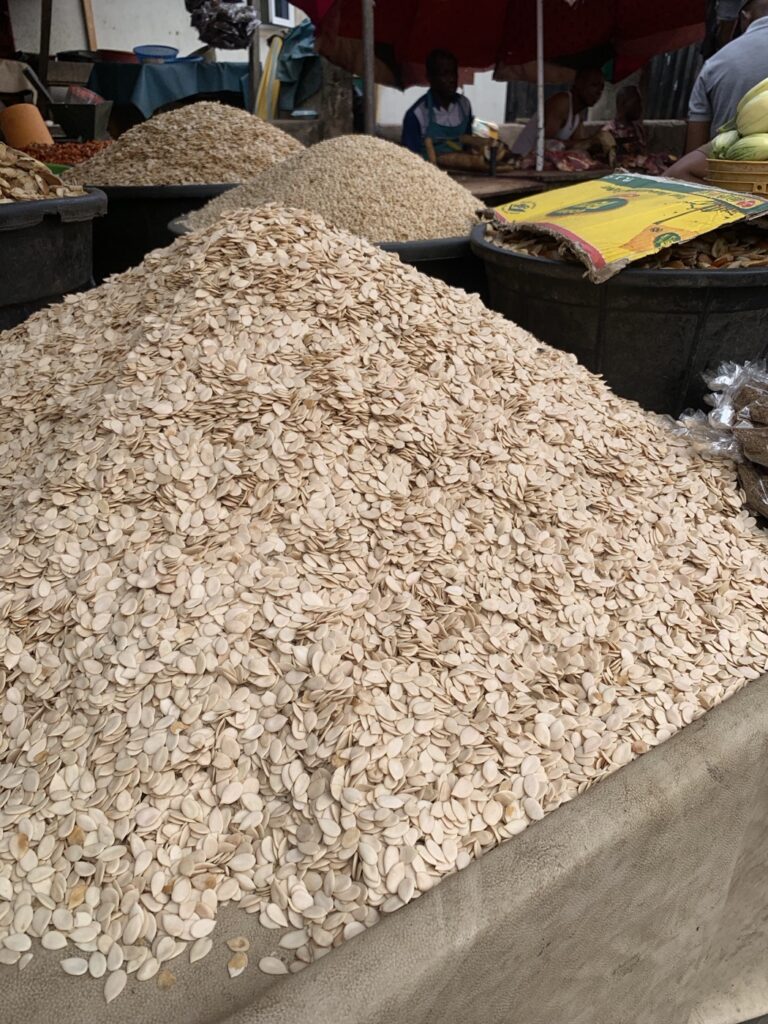
Pale egusi seeds, one ingredient sometimes fermented into ogiri

Evidence gaps & traditional use

Ogiri

No reliable human evidence identified

Ogiri describes fermented seasonings made from different oil-rich seeds. Because the raw material, microbes, salt and processing vary, one health profile cannot be assigned to every product. No reliable human…

Read evidence and sources →

How to read a field note

Evidence strength changes the meaning.

Moderate human evidence

Several relevant human studies, while limitations may remain.

Limited human evidence

Small, early or inconsistent human studies; not enough for a treatment claim.

Preclinical or nutritional evidence only

Laboratory, animal or composition research—not proof of benefit in people.

No reliable human evidence identified

A useful and honest gap, not evidence that a remedy works or does not work.

Example: bitter leaf and diabetes

Promising biology is not clinical proof.

Reviews of Gymnanthemum amygdalinum (often published under Vernonia amygdalina) describe diabetes-related laboratory and animal research. That is a reason for further study—not a reason to describe bitter leaf as a diabetes treatment or to replace prescribed care.