Pepper
Ata Rodo
Hot pepper
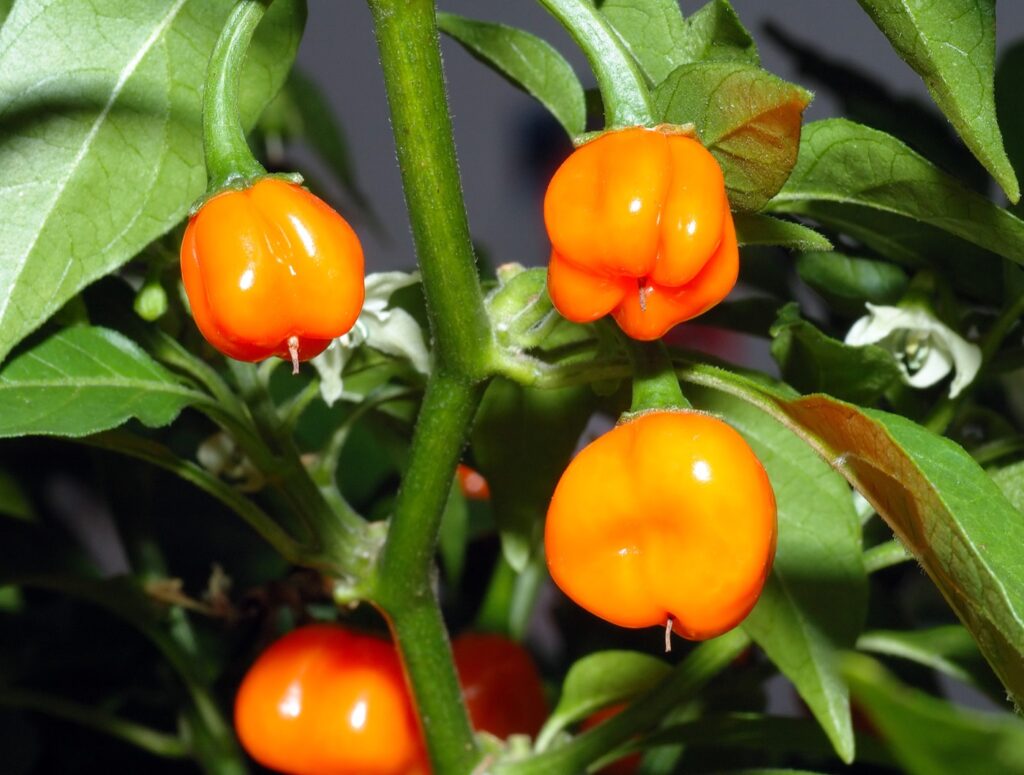
A fresh hot pepper central to many Nigerian stews, sauces and soups.
Field note
Ata rodo brings immediate heat and a distinctive fruity pepper character. The name can cover locally available hot-pepper varieties, so this record avoids assigning one botanical identity without a verified source.
Research, not a remedy
Health evidence
Hot peppers contain capsaicinoids, but research usually studies measured capsaicin supplements or broad chilli intake rather than ata rodo itself. Reviews of human studies report mixed or low-certainty cardiometabolic findings. Culinary use can contribute flavour and micronutrients, but it should not be presented as a treatment.
Food information only. Evidence from extracts or supplements does not automatically apply to normal culinary portions and is not medical advice.
In the kitchen
Flavour
Hot, fruity and bright
Heat
Very hot
Form used
Fresh or blended
How to use
Blend into pepper bases or add carefully to soups and sauces.
Buying & keeping
Storage
Refrigerate fresh peppers and use promptly, or freeze for longer storage.
Safety & research
Warnings
Handle carefully and avoid contact with eyes.
Sources & review
This field note is awaiting its wider editorial source review. Health evidence, where present, is cited separately above.